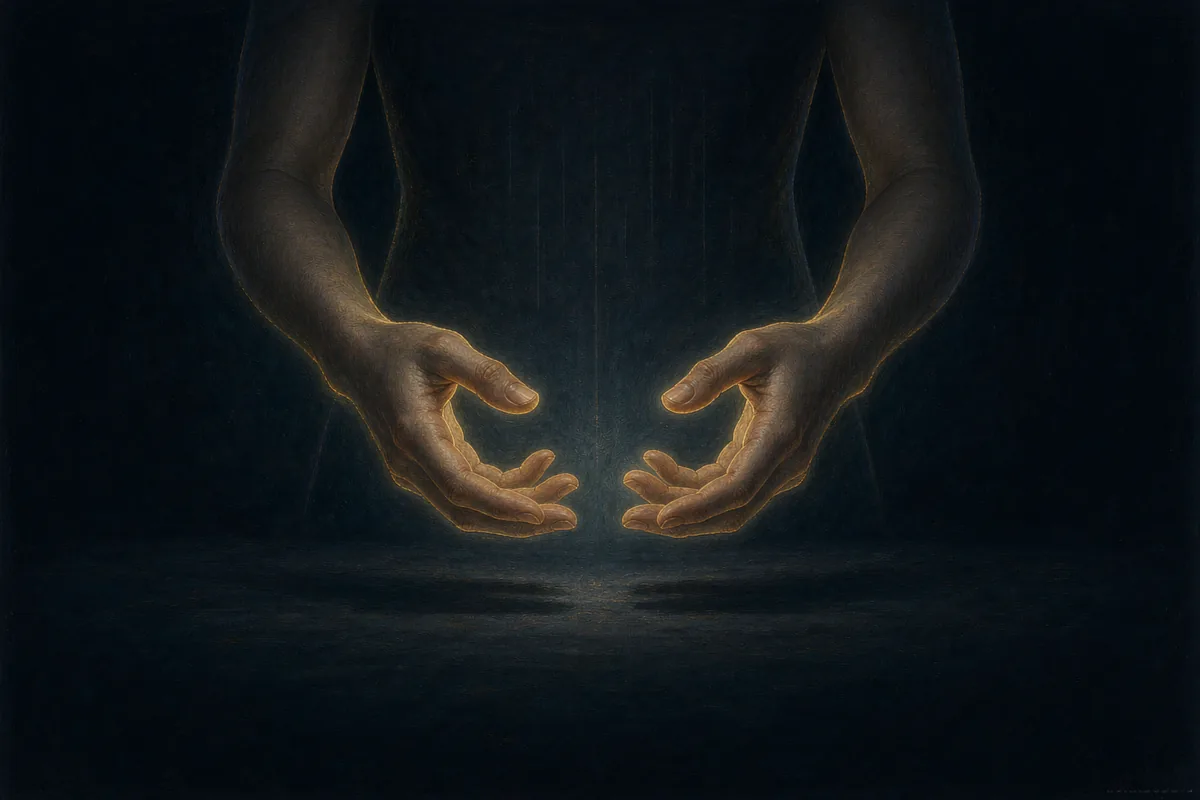
Reiki (Japanese: "spiritual/secret life energy") was systematised by Mikao Usui at the beginning of the twentieth century and is today the most widespread form of hands-on healing. What lies behind it — and what may you expect?
The basic principle
Reiki rests on the assumption that life energy (ki, prana, chi) flows through the body and that blockages lead to discomfort. An initiate (after "attunement" by a teacher) serves as a channel through which this energy is said to flow — without personal effort, without directing it. The classic image: the practitioner is not the one acting, they "hold the hosepipe".
What a session looks like
The recipient stays clothed and lies on a couch or sits. The giver rests their hands calmly on or just above the body — a series of positions from head to foot, about 60 minutes. Sensations: warmth, tingling, deep relaxation; some people see colours or experience emotional release — or simply a nap.
What Reiki is not
Reiki does not replace medicine — responsible practitioners point this out clearly. Studies show mainly relaxation effects for Reiki. One Reiki master puts it most honestly: "I don't know what happens. But when people feel safe and accepted, a great deal happens."
For beginners: self-treatment
The first level (Shoden) permits self-treatment: place your hands on heart and belly for five minutes a day, with the simple intention "calm". Regular practice — not the technique — makes the difference.
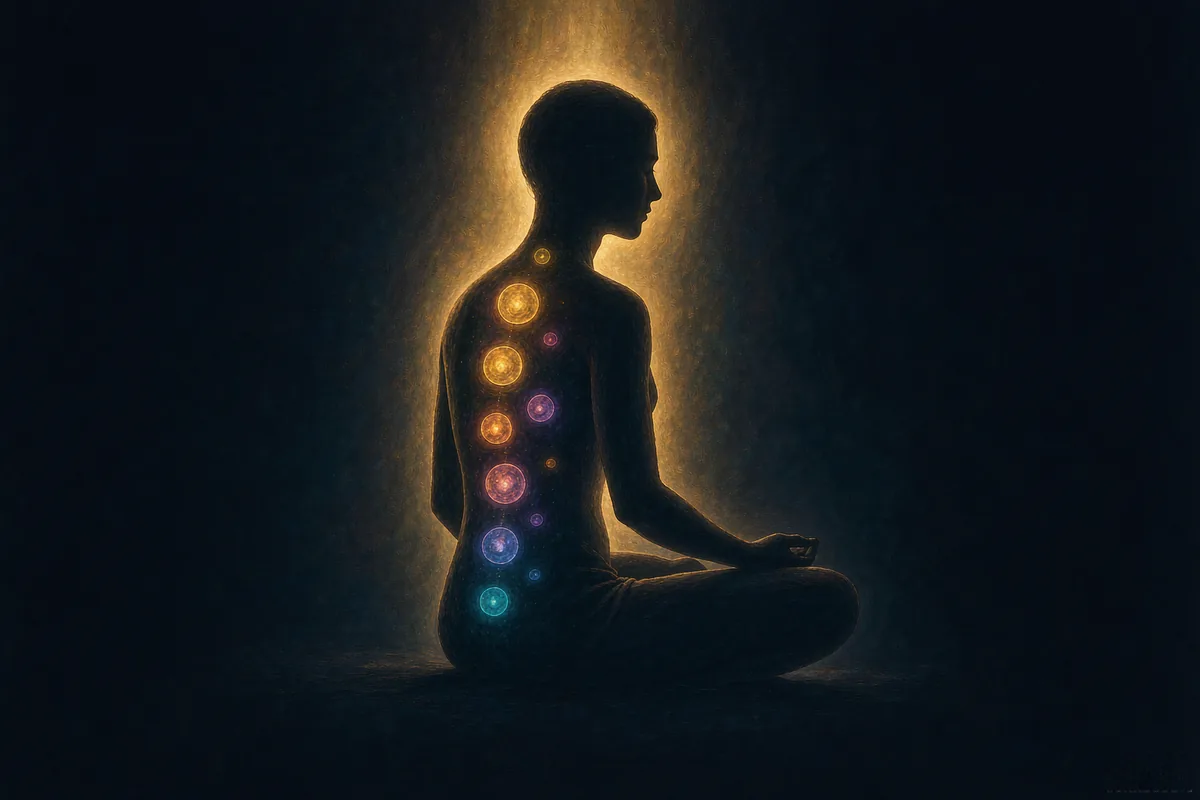 The Seven Chakras: The Complete Guide from Root to Crown
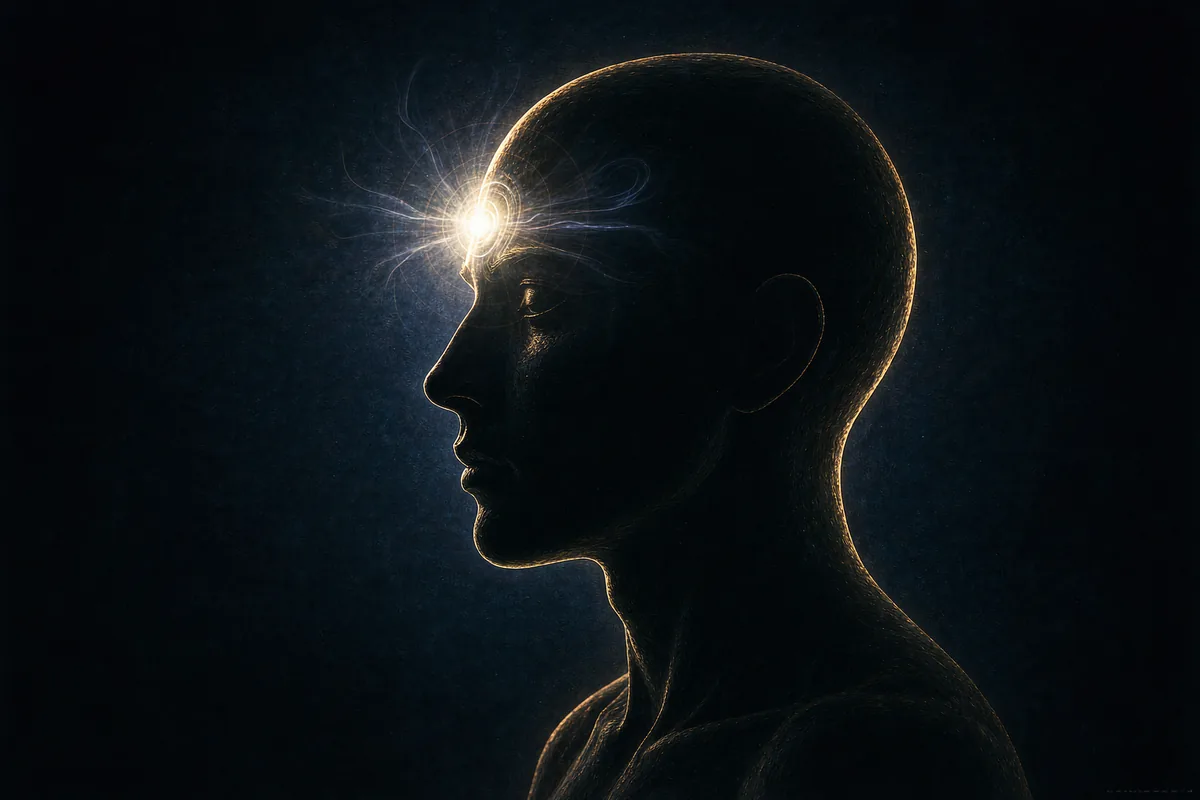 Opening the Third Eye: Six Exercises for Intuition
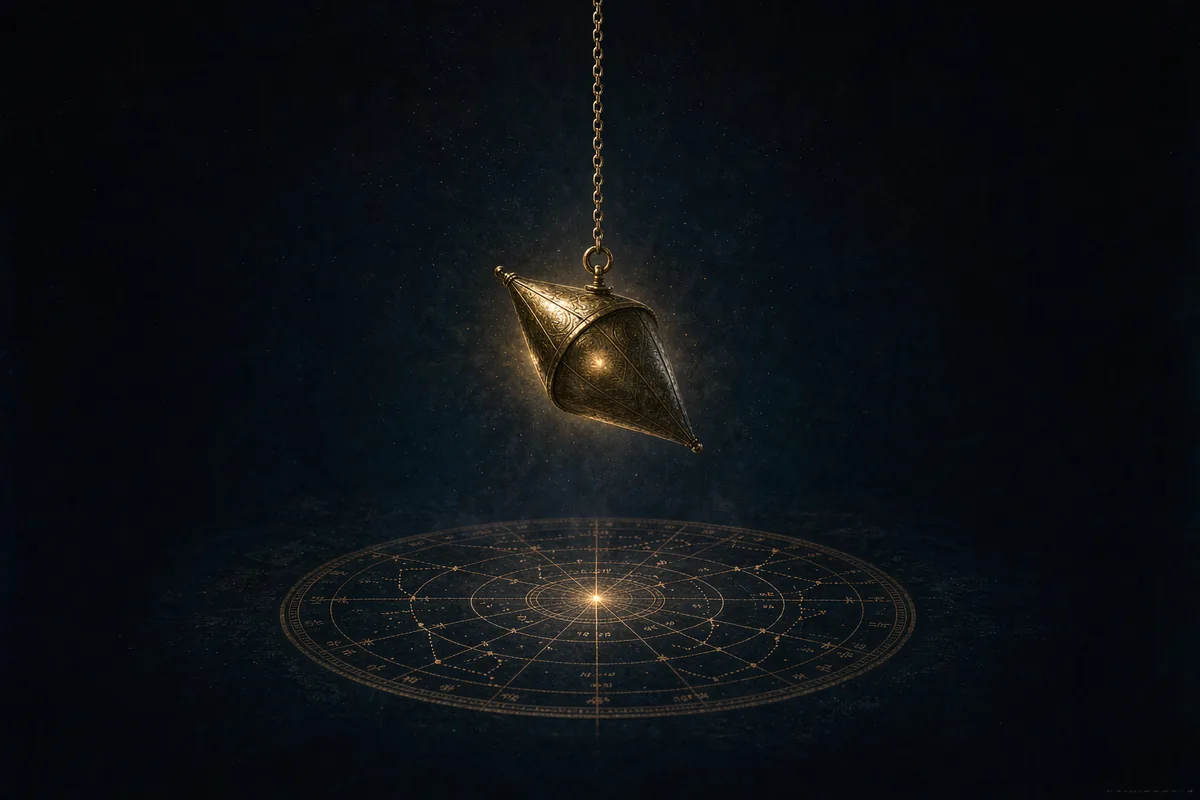 Pendulum Work: Yes, No and the Art of the Neutral Question