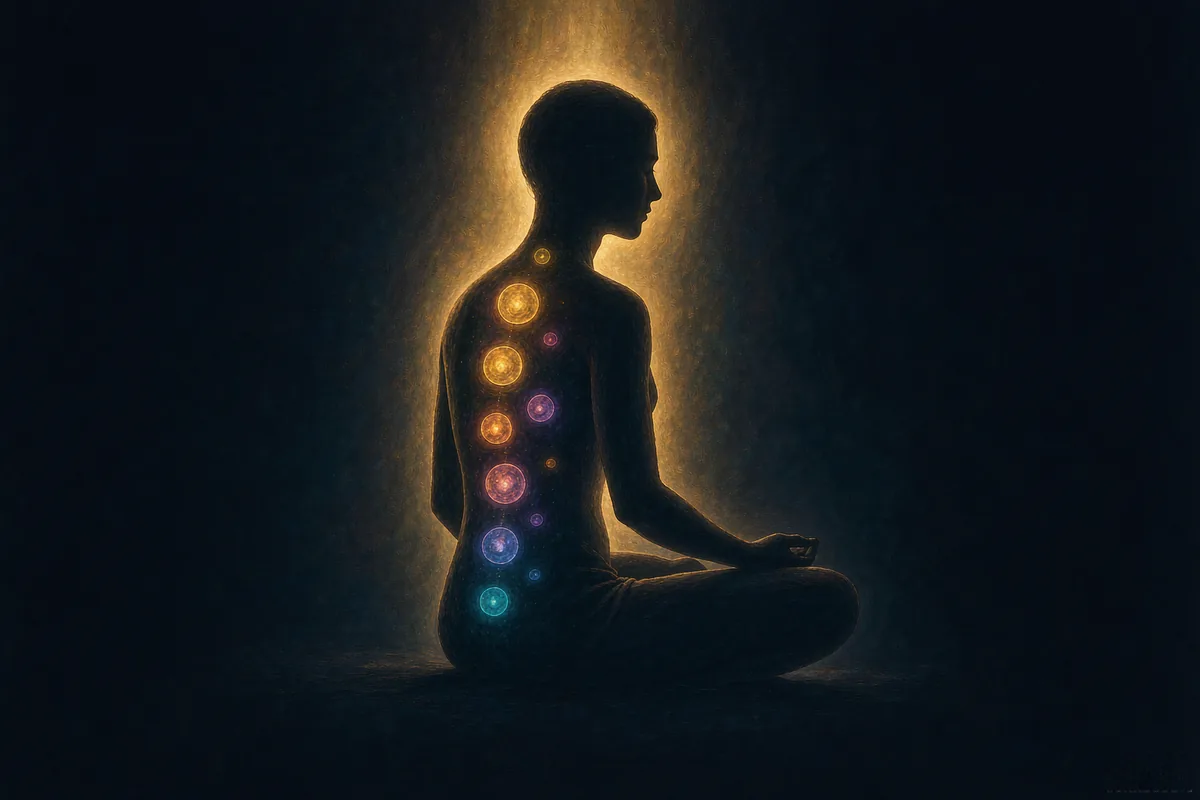
The word chakra comes from Sanskrit and means "wheel" or "vortex". In the Indian yoga tradition the chakras are the seven principal energy centres of the human body; they run along the spine from the base of the tailbone up to the crown of the head. Each chakra corresponds to particular regions of the body, to emotional states, to mental functions and to spiritual themes.
The first chakra: Root Chakra (Muladhara)
Location: base of the tailbone
Colour: red
Element: earth
The root chakra is our centre of survival; it is connected with security, stability and belonging. When the root chakra is in balance we feel grounded and safe, and we trust that we are able to meet our basic needs. When it is blocked, anxiety, fear or a recurring sense of things stalling in matters of money and basic security may show up.
Balancing practices: walking barefoot on the earth, the mountain pose (Tadasana) in yoga, visualising red light in meditation, eating red foods (such as beetroot or pomegranate).
The second chakra: Sacral Chakra (Svadhisthana)
Location: lower abdomen, two finger-widths below the navel
Colour: orange
Element: water
The sacral chakra is connected with creativity, sexuality, emotional flow and pleasure. It governs our emotional expression and our intimate relationships with other people. A balanced sacral chakra brings passion, creativity and healthy emotional connections.
Balancing practices: meditation in water, hip-opening yoga postures, creative expression (painting, dancing), eating orange foods (such as oranges or carrots).
The third chakra: Solar Plexus (Manipura)
Location: above the stomach, below the breastbone
Colour: yellow
Element: fire
The solar plexus is our centre of power; it is connected with self-confidence, willpower and personal power. It determines how we present ourselves in the world and how we set boundaries and hold them.
Balancing practices: yoga for the mid-body, breathing exercises (Kapalabhati), meditation in the sun, eating yellow foods (such as bananas, sweetcorn or turmeric).
The fourth chakra: Heart Chakra (Anahata)
Location: centre of the chest
Colour: green (or pink)
Element: air
The heart chakra is the bridge between the upper and the lower chakras; it is connected with love, compassion, forgiveness and human connectedness. It is the centre of our capacity to give and to receive. A blocked heart chakra may lead to loneliness, jealousy or long-held resentment.
Balancing practices: loving-kindness meditation (Metta), hugging trees, wearing rose quartz, keeping a gratitude journal, eating green leafy vegetables.
The fifth chakra: Throat Chakra (Vishuddha)
Location: middle of the throat
Colour: blue
Element: ether (space)
The throat chakra is connected with communication, self-expression and authenticity. It governs our capacity to speak the truth and our capacity to listen to others. A balanced throat chakra lets us communicate clearly and sincerely.
Balancing practices: chanting (Om), keeping a journal, singing, wearing lapis lazuli, drinking warm water with honey.
The sixth chakra: Third Eye Chakra (Ajna)
Location: between the eyebrows
Colour: indigo
Element: light
The third eye chakra is our centre of intuition and insight; it is often called "the third eye". It is connected with inner vision, intuition, imagination and wisdom. An open third eye chakra brings clear intuition and deep insight.
Balancing practices: third eye meditation, visualisation exercises, wearing amethyst, sitting quietly in the dark, reducing screen time.
The seventh chakra: Crown Chakra (Sahasrara)
Location: crown of the head
Colour: violet or white
Element: thought/consciousness
The crown chakra is our gateway to divine connection; it is connected with spiritual awakening, cosmic consciousness and the transcendence of the individual self. It is the end point of all the chakras and the summit of the spiritual journey.
Balancing practices: silent meditation, prayer, head massage, wearing clear quartz, gentle yoga postures, light food.
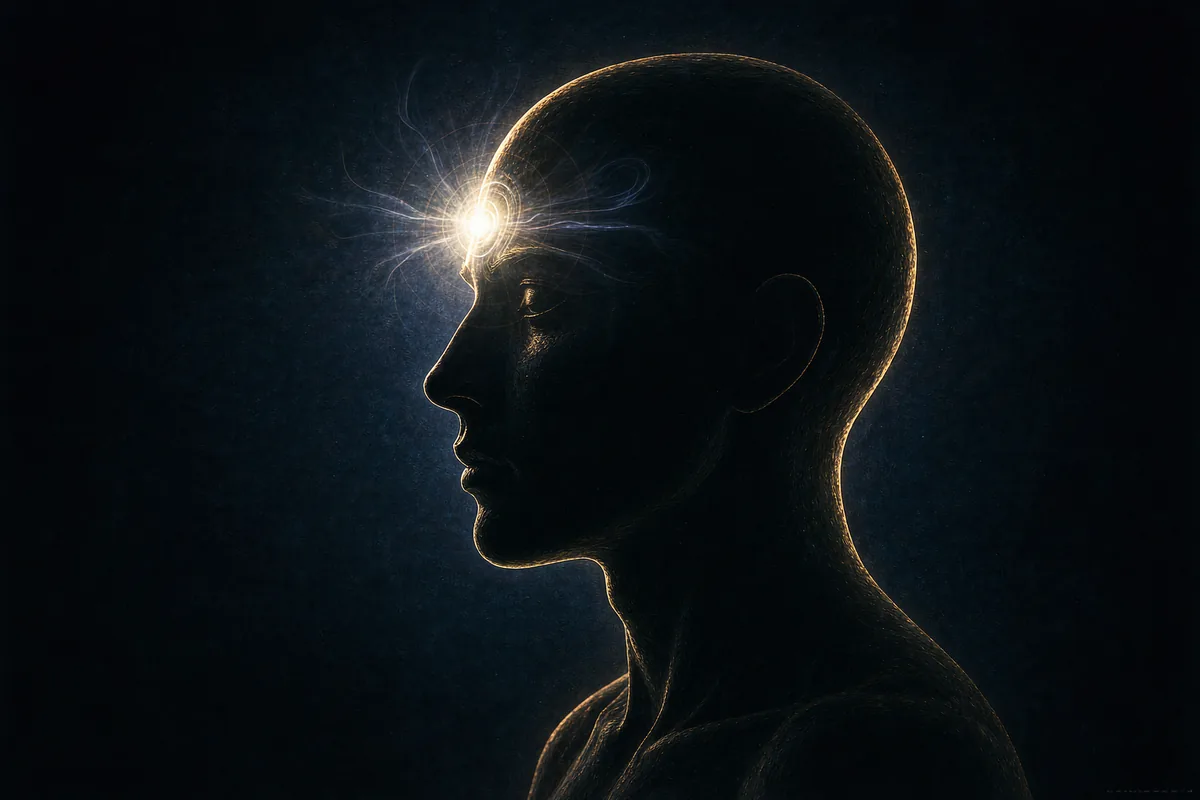 Opening the Third Eye: Six Exercises for Intuition
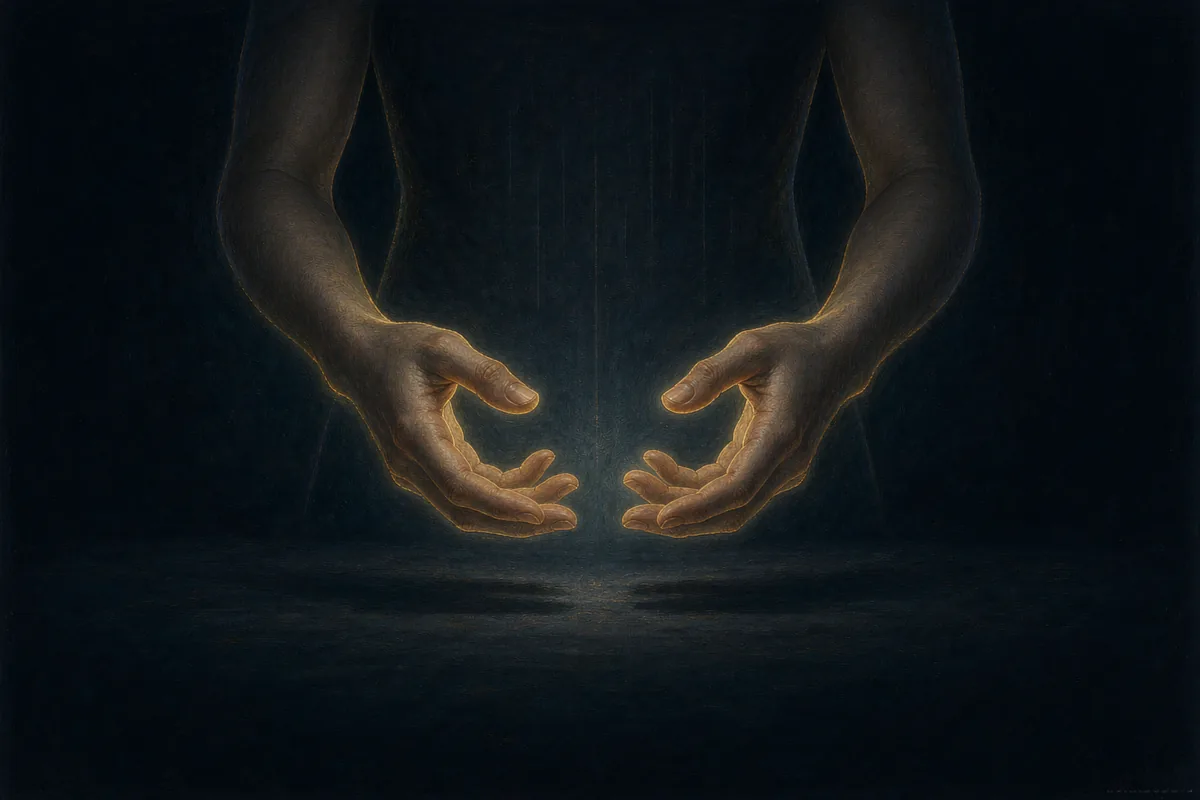 Reiki for Beginners: What Universal Life Energy Means
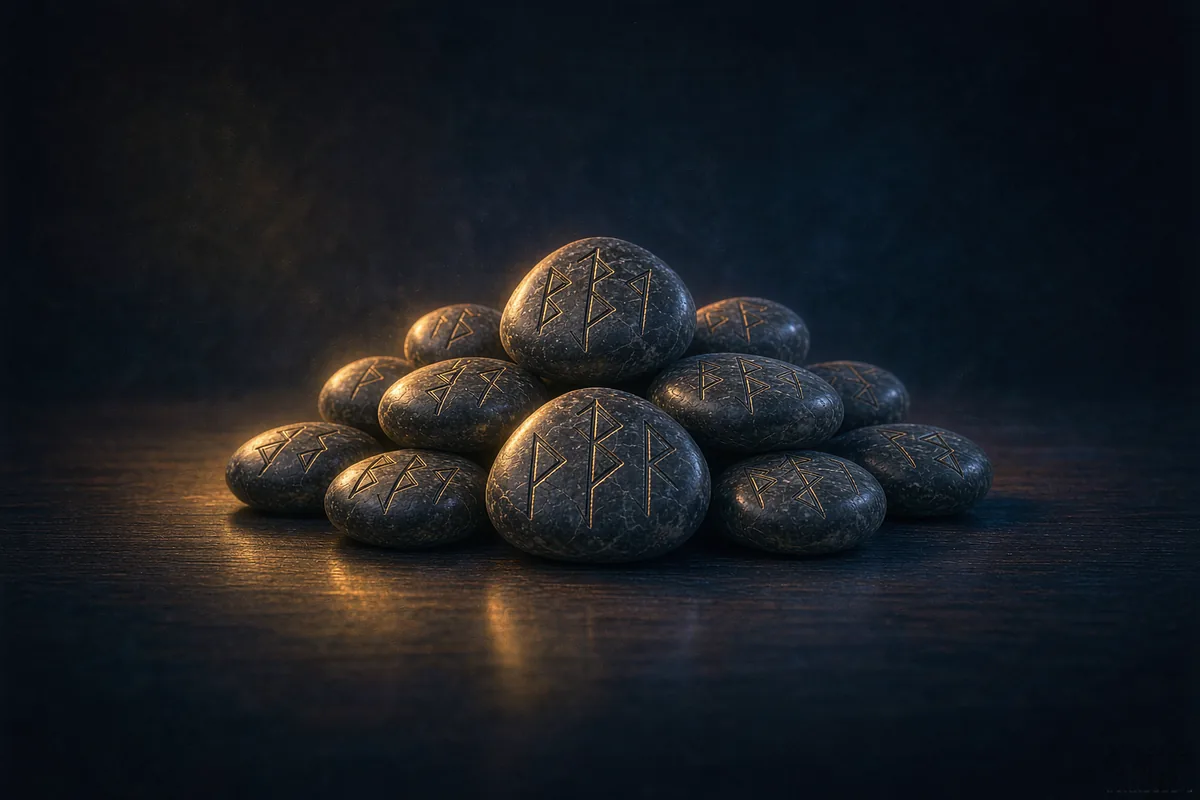 Runes: The Ancient Wisdom Codes of the North